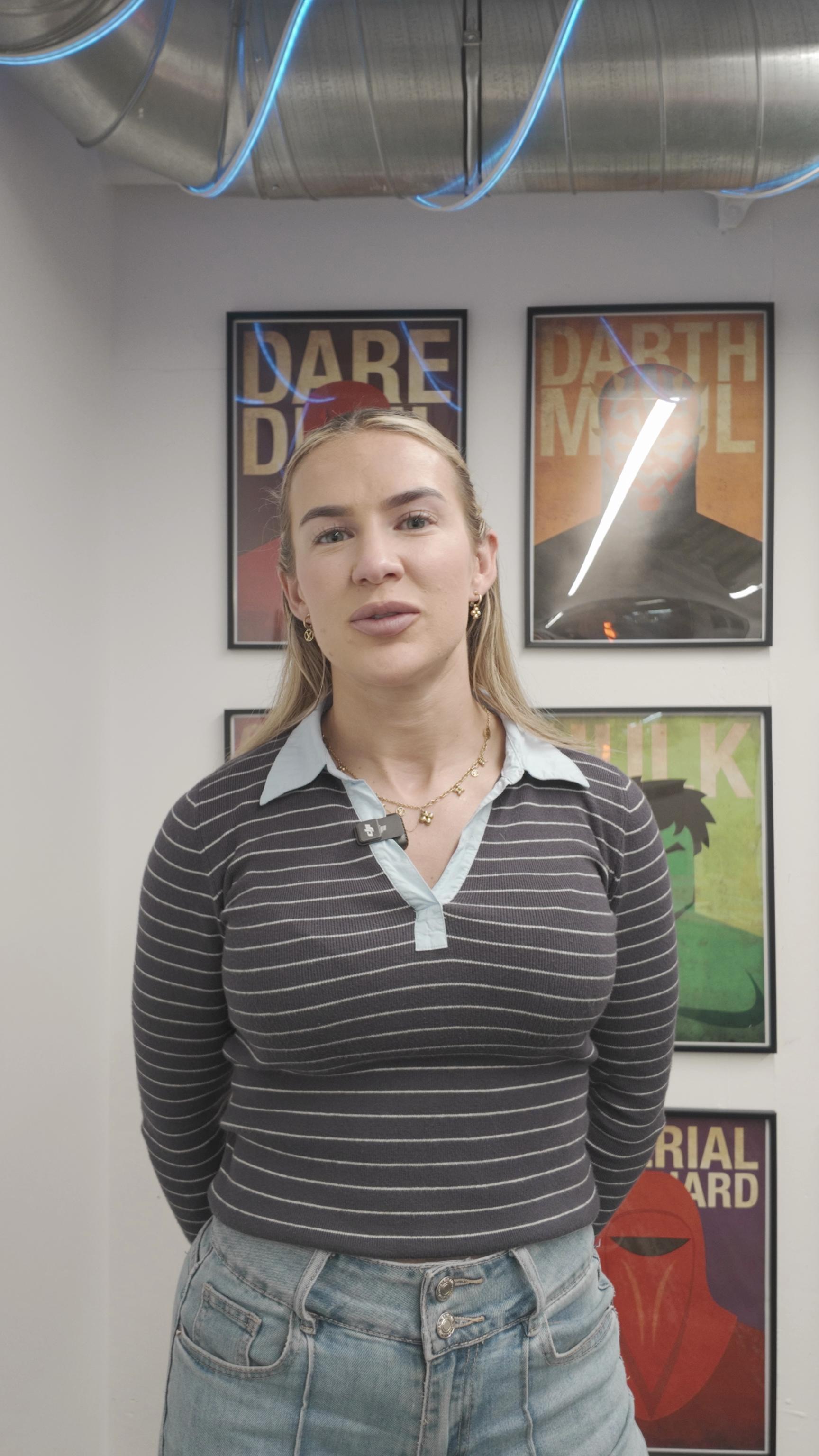


After a decade in marketing, redundancy made Emy Cragoe rethink her next step. ORI grew from the fragmented support she found, with a focus on guidance, development and human connection.
Redundancy revealed a fragmented journey
When Emy Cragoe had to work out what came after a decade in marketing, finding a new direction meant navigating tools that did not join up. Being made redundant pushed her to reconsider her next step, and exposed a problem she wanted to solve for others.
Speaking at Corgi Cafe in Shoreditch, ORI’s co-founder describes a careers intelligence platform intended to bring progression and development into one place. The ambition combines access to mentors and coaches with help identifying where to upskill and how to move forward.
Why might career guidance arrive later than people need it?
Emy says an important problem became clearer as they built: career support often arrives later than people need it. She points to early careers, where advice from school, university or family may not provide the guidance someone needs for the working world they are entering.
There is a useful wider finding on adult career support. In its 2021 report on career guidance, the OECD found that 20% of adults who had not spoken to a career guidance adviser in the preceding five years said they did not know those services existed. The underlying 2020 survey covered adults aged 25–64 in six countries: Chile, France, Germany, Italy, New Zealand and the United States.
That gives Emy’s experience a wider context. Support can exist without people knowing where to find it. The product opportunity is to make the route from understanding yourself to taking a useful next step easier to navigate.
AI career support alongside human mentors and coaches
Emy describes AI support and automation alongside human guidance from mentors and coaches. The ORI website adds detail to that proposition: assessments, opportunities and learning paths, progress tracking, and mentor matching based on values, goals and a psychometric profile. It currently presents ORI as a beta product with a waitlist.
The interesting design challenge is connecting those elements around the person using them. Assessments need to inform a decision; guidance needs to lead to an achievable action; tracking needs to show what someone is learning. A single platform earns its place by making that journey more coherent.
You can start before you have the finished idea
Asked for advice to a woman considering her own startup, Emy challenges the assumption that a fully formed idea must come first. Communities, organisations and accelerators can help people develop an idea as part of the journey.
Her practical suggestion is to meet founders, attend a founder event or talk to someone in your network who is building a business. The conversation that helps you find a direction can be part of getting started.
For another founder’s experience of turning an idea into a product, read Abby Aldridge’s Grilling Games story.
Featured in this story

Emy Cragoe
Co-founder · ORI
Emy co-founded ORI after a decade in marketing and an experience of redundancy. She discusses fragmented career support, mentorship and how aspiring founders can begin before their idea is fully formed.

ORI
A career intelligence platform being developed to help people understand their strengths and choose their next direction.
www.ori.careers